
.jpg)
There’s something about Rhinebeck that makes people slow down without ever feeling like they’re standing still. Maybe it’s the tree-lined roads, the history embedded in every street, or the way the Hudson Valley shifts in color...
Fall & Winter: The Most Important Seasons for Property Care
- Role Of Property Management In Hudson Valley, Property Management, Property Management Hudson Valley, Property Management In The Hudson Valley
- |
- December 22, 2025
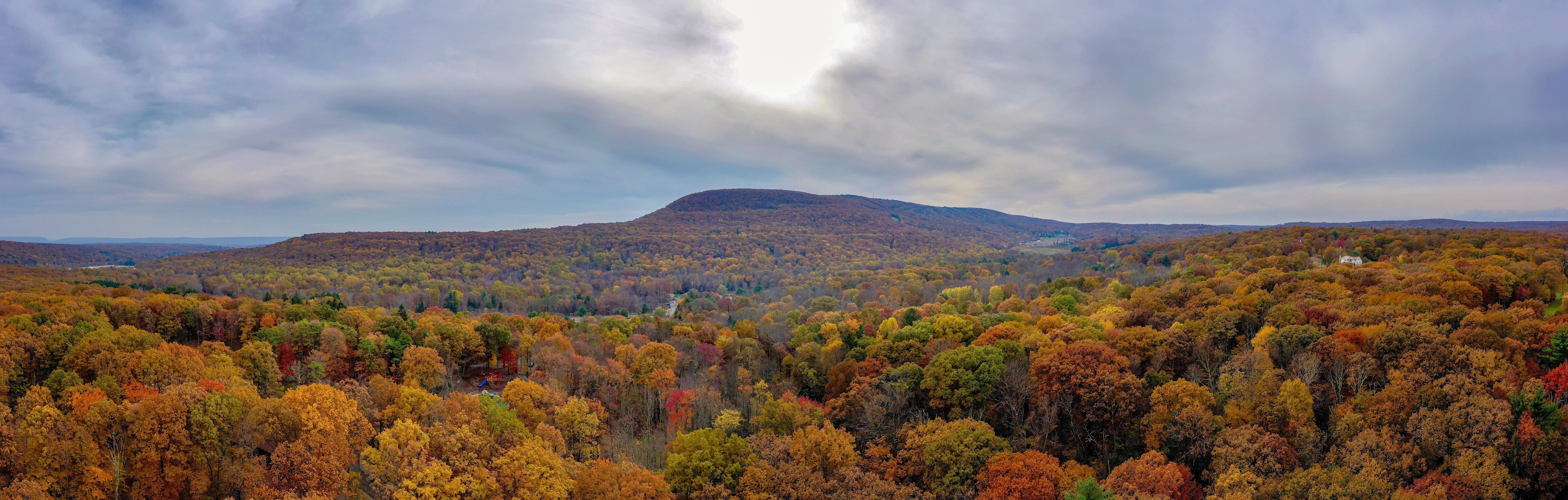
The transition from summer to fall is the most critical moment in the home’s yearly cycle. This is when systems are tuned, water lines are protected, and outdoor spaces are tucked in for the winter. Owning a second home brings the promise of relaxation and escape. But behind the comfort and calm lies a quiet truth: ongoing seasonal maintenance. The fall and winter may arguably be when your property needs the most attention.
For full-time homeowners, preparing a house for the colder months is routine. For your home in the Hudson Valley, it’s a different story. You’re not there when the temperature drops, when leaves clog gutters, or when the first frost hits your irrigation lines. That’s where a property manager steps in—quietly ensuring that the homestay is safe, functional, and ready for your next visit.
The Rhythm of Fall: Preparing for Dormancy

The transition from summer to fall marks the start of the most critical maintenance season of the year. It’s when systems are serviced, water lines are protected, and the grounds are buttoned up against the elements.
A seasoned property manager starts early—often in late September or early October—building a detailed checklist tailored to each property. While every home is unique, several key fall tasks form the backbone of responsible off-season care.
1. Boiler and Heating System Service
Your boiler or furnace is the heart of the home in winter, and it must be inspected and serviced before the cold sets in. Property managers coordinate annual tune-ups with trusted HVAC technicians, ensuring that the system is running efficiently, filters are clean, safety controls are operational, and any minor issues are addressed before they become emergencies.
A proactive inspection now prevents the nightmare scenario of arriving on a January weekend to find a frozen home—and a hefty repair bill.
2. Chimney and Fireplace Cleaning
If the home has a wood-burning fireplace or stove, chimney cleaning is non-negotiable. Creosote buildup isn’t just a nuisance; it’s a fire hazard. Property managers schedule professional sweeps to remove buildup and inspect the flue, caps, and dampers. Gas fireplaces are also serviced to confirm that pilot lights, igniters, and ventilation are all safe and functional.
This service isn’t only about safety—it’s about preserving one of the key pleasures of a country or mountain home: that first cozy fire of the season.
3. Irrigation System Blow-Out
One of the most overlooked but essential fall services is irrigation winterization. A property manager ensures irrigation lines are properly blown out with compressed air to prevent freezing and bursting. They also confirm that control panels are shut down and labeled for easy spring startup.
If the property includes water features or landscape lighting, those systems are checked too, and delicate elements are either covered or removed for winter storage.
4. Outdoor Water Shut-Offs and Hose Bibs
Turning off outdoor water lines isn’t as simple as shutting a valve. Property managers trace every outdoor spigot, drain residual water, and insulate exposed plumbing. Homes that have guest cottages, pool houses, or exterior kitchens require particular care, as forgotten water lines in those areas are among the most common causes of winter damage.
5. Outdoor Furniture Storage and Protection
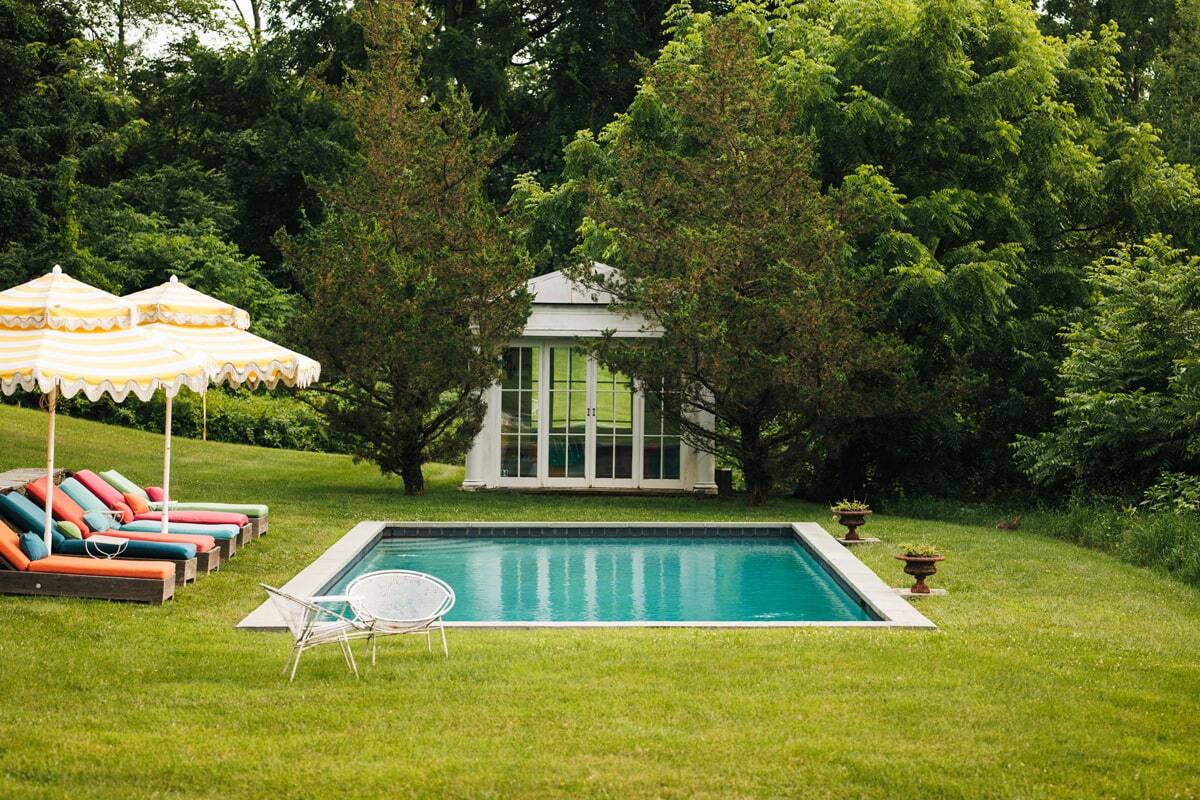
Another hallmark of fall management is putting the exterior living spaces to bed. Cushions are cleaned and stored in dry spaces, teak or metal furniture is covered, and umbrellas, hammocks, or awnings are brought in before heavy wind or snow can cause damage.
This not only preserves the investment in your outdoor furnishings—it also means that when spring comes, everything is ready to enjoy.
Winter: Quiet Monitoring, Active Management
Once the fall prep is complete, the rhythm of winter property management begins. The home may sit vacant for long stretches, but that doesn’t mean it’s forgotten. In fact, this is when your property manager’s vigilance matters most.
1. Routine Property Checks
Weekly or biweekly walkthroughs are critical. Property managers verify that heat is maintaining proper temperature, water lines remain unfrozen, alarm systems are active, and there’s no evidence of leaks, pests, or storm damage. Many use smart sensors, Wi-Fi thermostats, and even camera systems to monitor conditions remotely between visits.
These quiet inspections are what prevent a small drip from turning into a burst pipe or an unnoticed power outage from becoming a mold problem.
2. Snow and Ice Management
If the property is accessible in winter, snow removal and ice management are coordinated automatically. Driveways, walkways, and roofs are cleared as needed, preventing damage to surfaces and ensuring safe access for service providers or visiting family members.
3. Vendor Coordination
Even in the winter months, trades and service providers need access—whether it’s the HVAC technician for a mid-season tune-up, the pest control company for a quarterly visit, or the delivery of firewood and propane. Your property manager coordinates these visits, keeps logs of completed work, and confirms that invoices match actual service dates.
4. Emergency Response
Perhaps the most underrated value of having a property manager during the off-season is their role as first responder. The storm knocked out power. They’ll check the generator. Tree limb through a roof? They’ll have a roofer and insurance photos within the hour. Frozen pipe? They’ll coordinate the plumber and restoration team before you’ve even finished your morning coffee.
This level of responsiveness gives homeowners peace of mind that their investment is protected—even when they’re miles away.
Why It Matters: The Real Value of Property Management
The tangible tasks—servicing boilers, cleaning chimneys, draining irrigation—are just the surface of what property management represents. The real value is freedom.
When a property is professionally managed, homeowners can truly enjoy their time there. Instead of arriving on Friday night and troubleshooting heat issues, they walk into a warm, inviting home. Instead of calling a plumber from afar, they receive a calm update: “All set, the leak is fixed.”
A good property manager not only prevents emergencies but also prevents stress. They provide continuity between visits, ensuring that every transition—whether between seasons or between guests—is seamless. The home remains as it was meant to be: a place of rest, not responsibility.
The Difference Between Owning a Home and Enjoying It
There’s a subtle but important distinction between owning a second home and enjoying it. Ownership alone can become burdensome—especially when a house sits vacant during the most volatile weather months. Enjoyment, on the other hand, comes when the home feels effortless.
That’s the invisible work of fall and winter property care: keeping systems safe, preserving comfort, and preventing problems before they happen. It’s not glamorous work, but it’s what allows homeowners to experience their property exactly as intended—without interruption.
So while the leaves are falling and temperatures are dropping, a quiet flurry of behind-the-scenes work is taking place. Boilers are humming. Chimneys are cleared. Water is drained. Cushions are stored. Snow is monitored.
And when spring finally returns, everything is in place for you to unlock the door, take a deep breath, and simply enjoy being home.
Vigilus Home…services. We service customers and partners in Rhinebeck, etc. We specialize in higher-end second homes
From the blog
Discover helpful insights, practical tips, and expert advice to help you better manage, maintain, and protect your property.
.jpg)